
The complete archive

Every episode.
Nothing buried.

65 conversations about purpose, business, mindset and the odd idea that might just work.

27:49
EP. 65

Navigating Personalisation in AI Tools

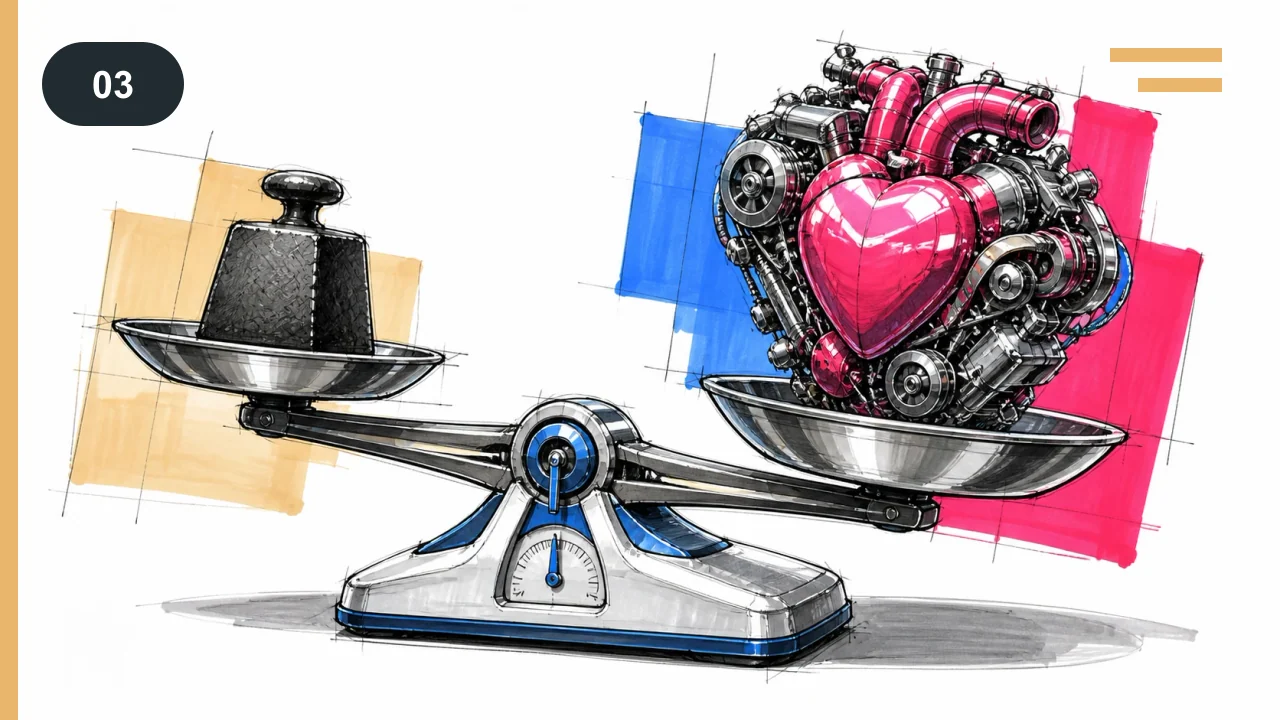
Dan and Tom explore what personalisation should really mean in AI tools, from useful memory to the awkwardness of several people sharing one account. The conversation broadens into accessible technology, live-streamed fitness and the opportunity to build digital products that adapt to people rather than forcing people to adapt to them.

4 key ideasFull transcript

37:18
EP. 64

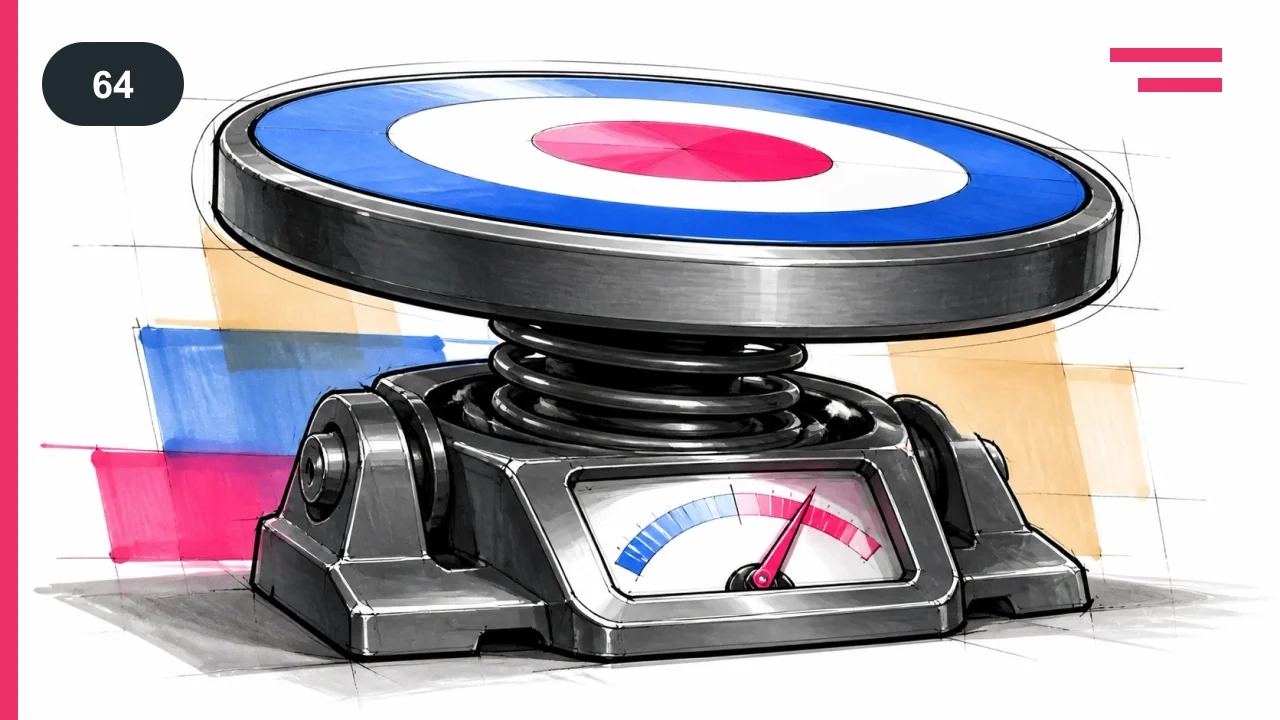
Is Goal Setting Crushing Your Motivation?

Goals are meant to create direction, but they can quietly become a source of guilt when every missed milestone feels like failure. Dan and Tom look at how to keep ambition without turning it into a set of shackles. They make the case for measuring effort, defining what ‘done’ actually means and deliberately celebrating progress along the way.

4 key ideasFull transcript
37:05
EP. 63

Couples Therapy Chaos & Millionaire Dreams: Real Talk & Wild Insights

A conversation about relationships, expectations and the stories people use to make complicated arrangements feel workable. Dan and Tom then ask what £10 million would genuinely change—and what parts of that imagined freedom are already available now. Along the way they touch on health technology, app ideas and the difference between owning a business and owning your time.

4 key ideasFull transcript
37:32
EP. 62

AI Fitness Hack & Breaking Addictions: Our Craziest Ideas Yet!

Dan and Tom trade product ideas sparked by everyday frustrations: using AI imagery to make fitness goals tangible, creating community around breaking addictions and widening the range of businesses available through delivery platforms. They also reflect on streaming, hostile comments and how a rough experiment can become a much bigger creative format.

4 key ideasFull transcript
35:46
EP. 61

Why We’re Launching Our Own TV Channel!

What starts with gig stories and recording-room mishaps becomes a serious conversation about building a continuous online channel. Dan and Tom examine how creators can turn scattered uploads into programming people return to. They pull lessons from Twitch, YouTube, dubbing and large creators while keeping the first move deliberately small: start broadcasting and learn what earns attention.

4 key ideasFull transcript
37:22
EP. 60

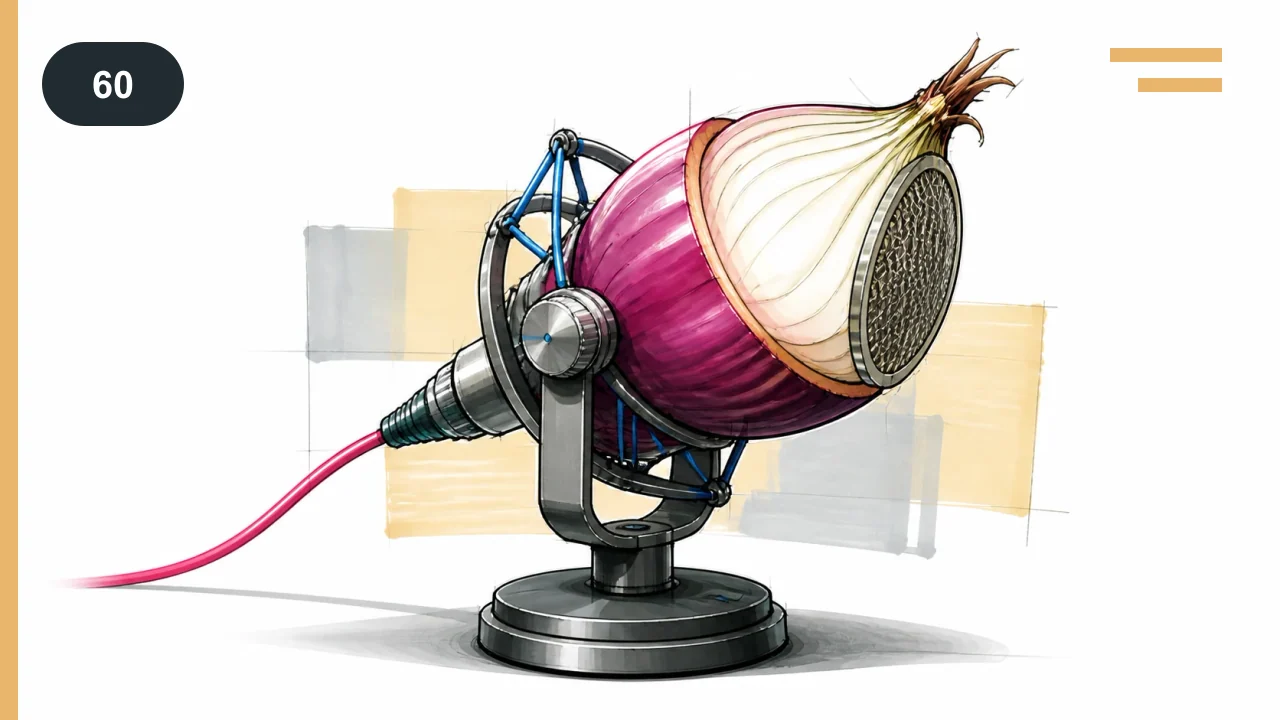
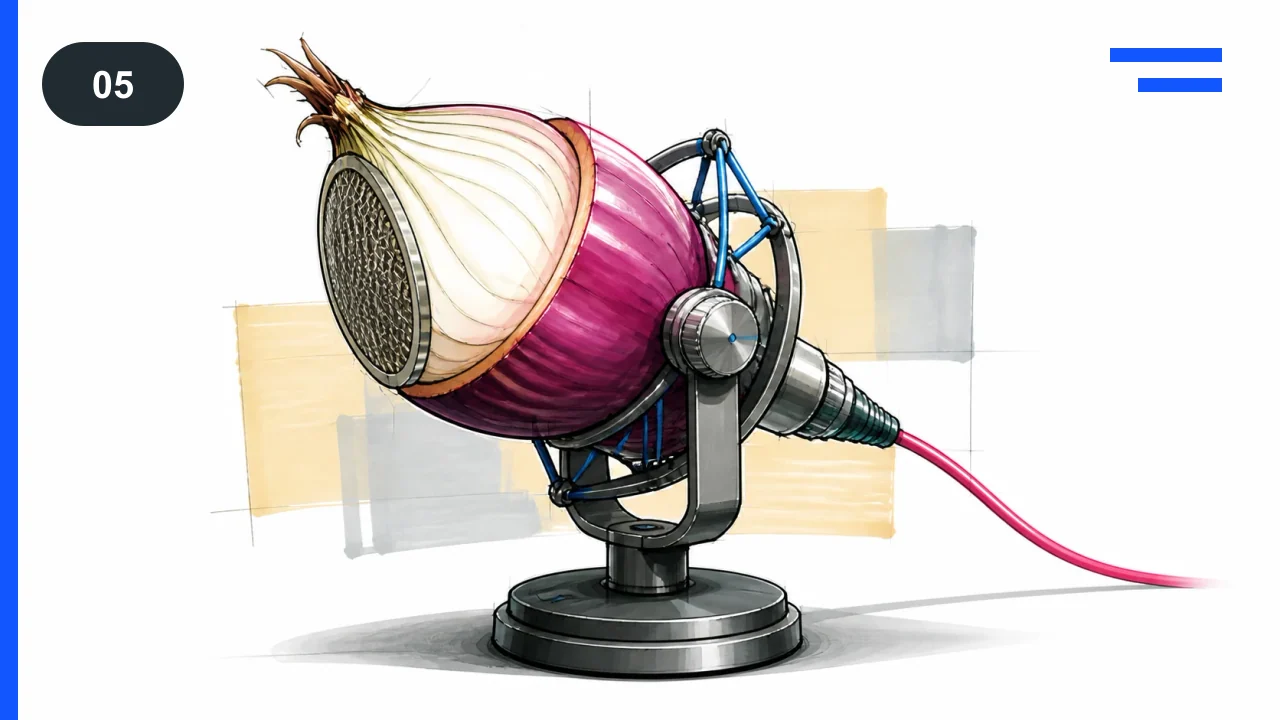
From Roasting People to Roasting Onions: Health Hacks & Comedy Insights

Dan and Tom unpack why live comedy formats such as Kill Tony are so compelling: short performances, immediate feedback and the tension of watching someone think under pressure. The second half moves from roasting people to roasting onions, comparing modern health tracking with traditional remedies and asking how technology can help without pretending every signal is a diagnosis.

4 key ideasFull transcript
54:48
EP. 59

Weird Dreams, Subconscious Anger, and Business Hacks: Therapy Session Unpacked

A strange dream about a Tesla opens a wider conversation about control, suppressed frustration and the childhood patterns that still shape adult reactions. Dan and Tom use the story as an informal therapy session rather than treating the dream as a literal message. They then switch into product mode, exploring tongue-health analysis, invisible costs and how business ecosystems can either support people or quietly subdue them.

4 key ideasFull transcript
24:40
EP. 58

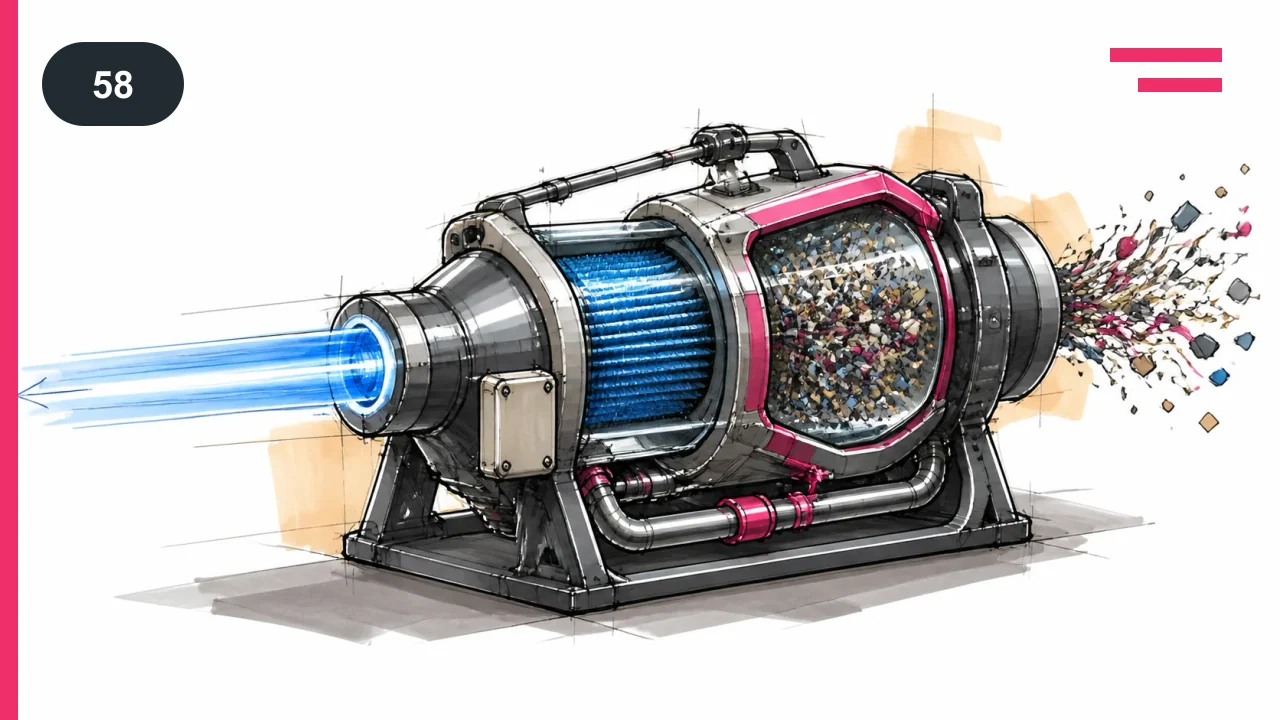
The Power of Elimination and Focus

Using Olympic strategy and a series of everyday mishaps, Dan and Tom examine a deceptively difficult question: what should you stop doing? Their answer is a practical order of operations—eliminate, automate, then delegate—so that focus is protected before more tools or people are added to the problem.

4 key ideasFull transcript
53:34
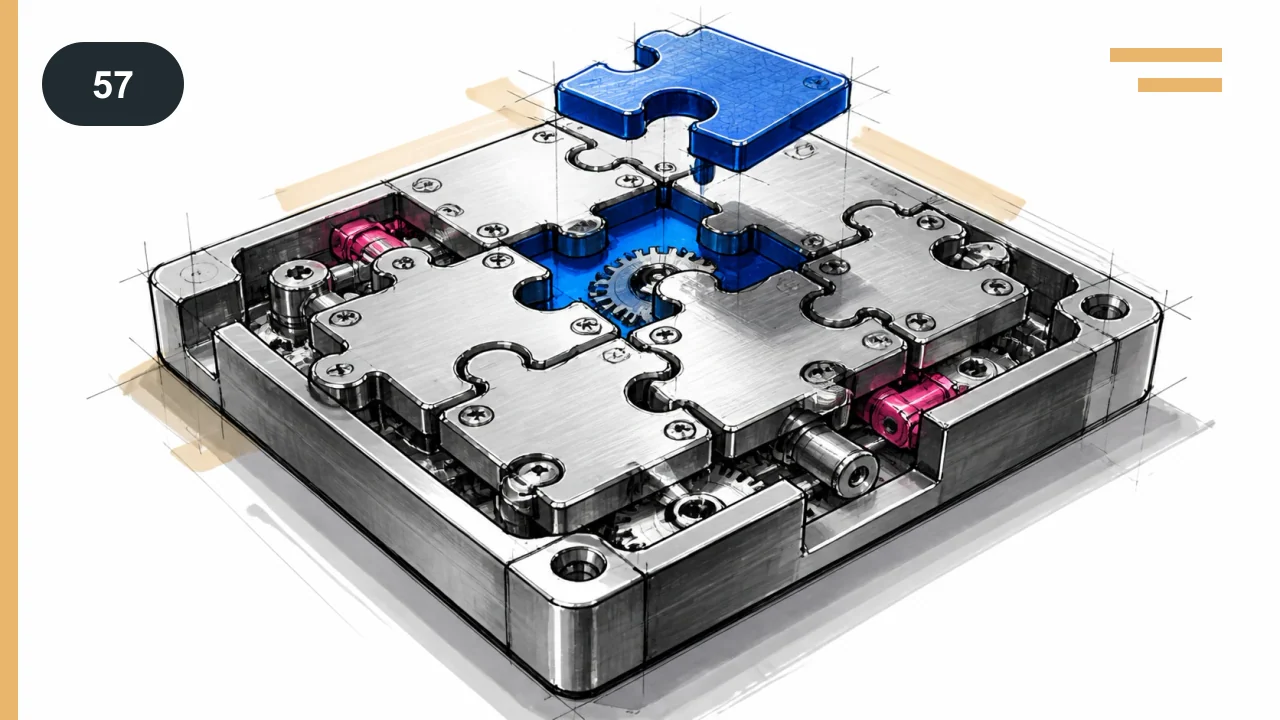
EP. 57

The 80/20 Rule: When Finishing Is Harder Than Starting

Starting gives you novelty; finishing asks for discipline. Dan and Tom explore why the last twenty percent of a project can consume most of the effort, especially once the exciting decisions have already been made. Through product ideas, communication tools and AI, they argue for smaller definitions of done, simpler language and systems that keep work moving after motivation leaves.

4 key ideasFull transcript
40:24
EP. 56

This is how I almost broke my foot

Filming in the Welsh countryside prompts a conversation about anticipation, personality-led marketing and the odd details that make content memorable. Dan and Tom then workshop product ideas ranging from debating language models to on-demand hats and paint samples. The promised foot injury arrives as a reminder that even a cautionary story works better when the audience knows there is a reason to keep watching.

4 key ideasFull transcript
1:03:47
EP. 55

Hilarious Barbershop Marketing Ideas

Dan and Tom give a Flint barbershop an intentionally unruly strategy session, mixing practical booking improvements with entertainment formats, partnerships and a dating show called Make the Cut. Beneath the jokes is a useful marketing principle: the haircut may be the service, but the reason people remember and recommend the shop can be the experience around it.

4 key ideasFull transcript
51:14
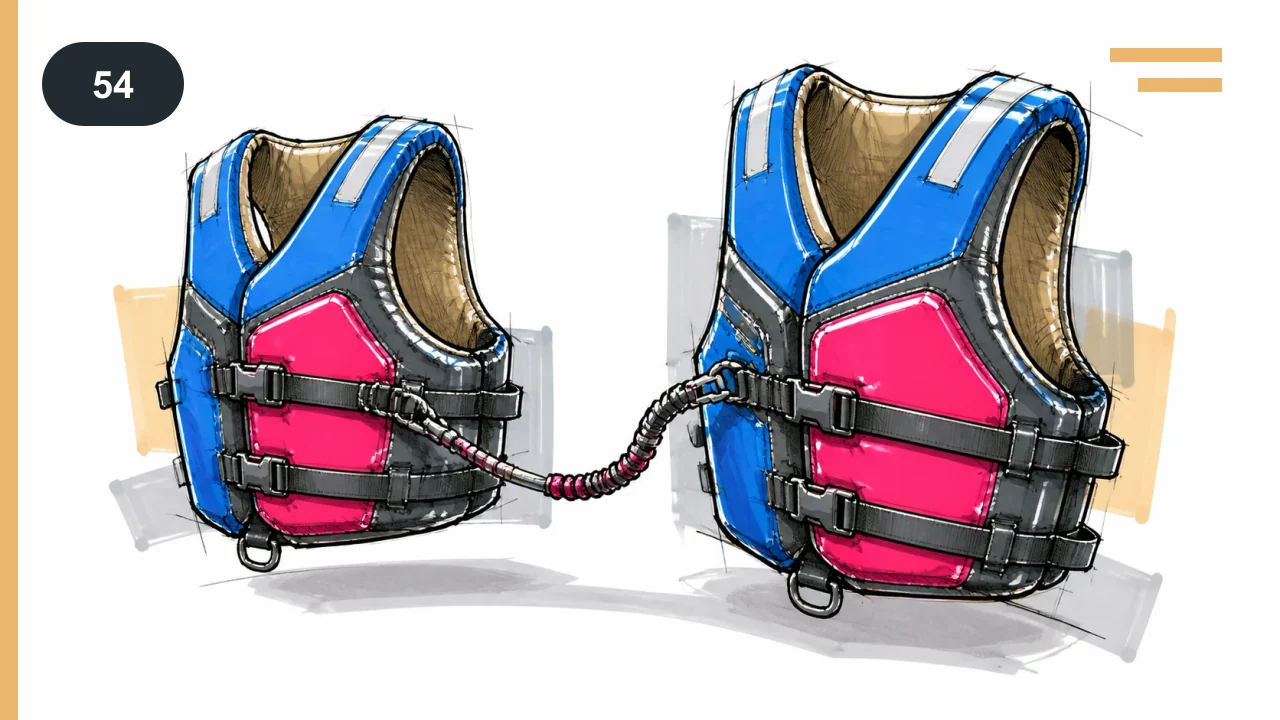
EP. 54

The Power of Knowing You're Not Alone

A five-topic wheel connects loneliness, options trading, AI customer support, food waste and a memorable cleaning business. The common thread is information: knowing other people share an experience can make it less isolating, while better data can make a service less wasteful. Dan and Tom look for product ideas that turn that information into reassurance, accountability or a clearer next action.

4 key ideasFull transcript
43:13
EP. 53

Apple's AI Fails? Real Talk on WWDC 2024

Dan and Tom review Apple’s 2024 announcements with equal parts affection and frustration, asking whether Apple Intelligence is genuine invention or careful integration of ideas already elsewhere. The conversation expands into creator strategy: learning by making one hundred videos, finding content gaps and building a community rather than waiting for a platform announcement to create momentum.

4 key ideasFull transcript

37:10
EP. 52

Sidemen Reality Show, Prime Bottles & NY Times Gaming Takeover

Prime bottles, the New York Times games business and the Sidemen’s reality show become three case studies in attention. Dan and Tom ask why people collect packaging, return to simple daily games and commit to a long creator-led series. Each example shows a different way of turning an ordinary product into a ritual, identity marker or shared story.

4 key ideasFull transcript

40:30
EP. 51

PS5 Review, Clever Marketing Strategies & Setting Healthy Boundaries

A PS5 review leads Dan and Tom through gaming, multilingual content, memorable marketing and the discomfort of saying no. What looks like a mixed bag is really a conversation about recognising the experience you want and refusing pressure that pulls you away from it. They connect product decisions and personal boundaries through the same question: does this choice serve the person it is meant for?

4 key ideasFull transcript

40:26
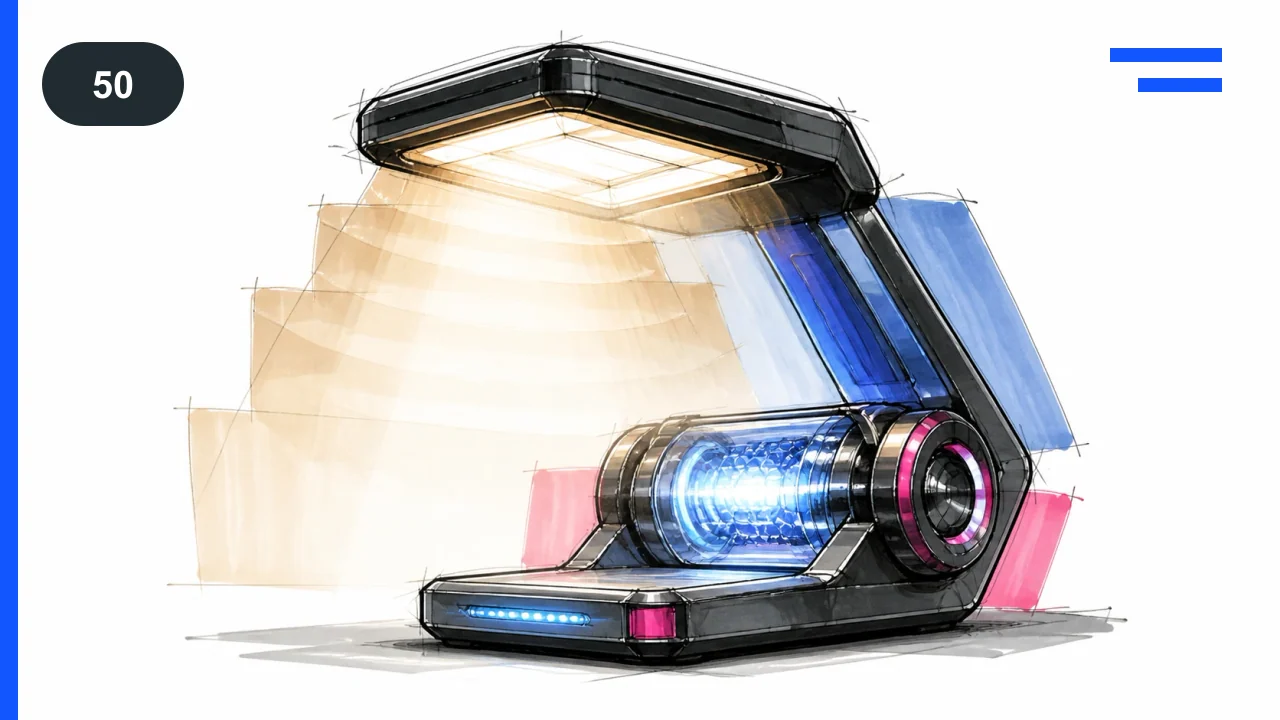
EP. 50

Transform Your Room & Energy Hacks - Fun Festival Tales!

Room makeovers, live gigs and a new drum kit set up a conversation about changing the environment around your work. Dan and Tom then consider consistency, documenting a long journey and the formats that make short-form content spread. The practical point is that energy is not only a feeling; it can be designed through space, ritual and a visible reason to show up again.

4 key ideasFull transcript
27:08
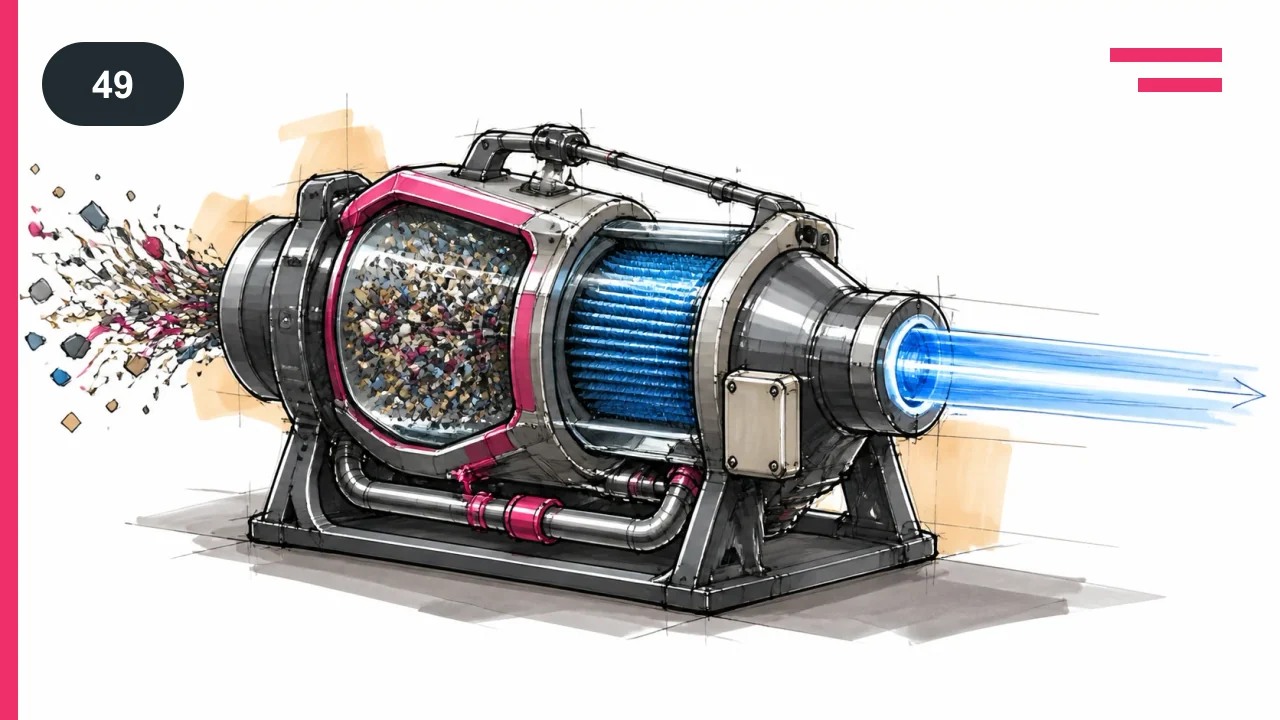
EP. 49

How to Stay Focused & Energised for Gigs and Life!

After a run of demanding gigs, Dan and Tom compare the stamina required for music, public speaking and sport. They explore how performers manage energy before, during and after an event—and what happens when logistics compete with attention. The episode treats focus as a limited resource that can be protected through preparation, recovery and clear cues.

4 key ideasFull transcript
31:58
EP. 48

Be ready for ANYTHING

When two band members are delayed, the gig becomes proof that preparation matters most when the plan breaks. Dan and Tom connect that experience to curated maps, paid recommendations and better ways for creators to package local knowledge. Both halves ask the same thing: how do you make useful experience available when somebody suddenly needs it?

4 key ideasFull transcript
29:18
EP. 47

Rate our business ideas

Dan and Tom rate a collection of pet-business ideas, beginning with deliberately ridiculous cat concepts and ending with practical services for busy owners. The humour becomes a useful ideation method: exaggerate the premise, notice the real need underneath it, then decide whether the service should go to the customer or sit where customers already spend time.

4 key ideasFull transcript
27:16
EP. 46

Duo has met his match

Dan and Tom move from glucose experiments and MrBeast’s storytelling to the harder work of reviewing their own content in real time. They then introduce Herd and Muselingo, using the episode itself to test product explanations, names and mascots. It is a conversation about feedback loops: notice what holds attention, explain the idea more clearly and keep revising until the audience can see what you see.

4 key ideasFull transcript

39:55
EP. 45

What's stopping you?

A glucose monitor and gut-health test begin a wider investigation into what stops people from acting. Dan and Tom move through proactive health, unconventional sporting routes, impostor syndrome and the temptation to measure yourself using somebody else’s ladder. The episode argues for better personal evidence: understand your own signals, define success relative to your direction and take the brave next step before certainty arrives.

4 key ideasFull transcript
32:06
EP. 44

Hustle Culture doesn't want you to know this

Dan and Tom challenge the idea that meaningful progress must always look like doing more. They discuss finding people who share your interests, choosing where to place effort and separating controllable work from outcomes you cannot command. The result is a calmer alternative to hustle culture: fewer priorities, better company and enough space to notice what the work is doing to you.

4 key ideasFull transcript
31:45
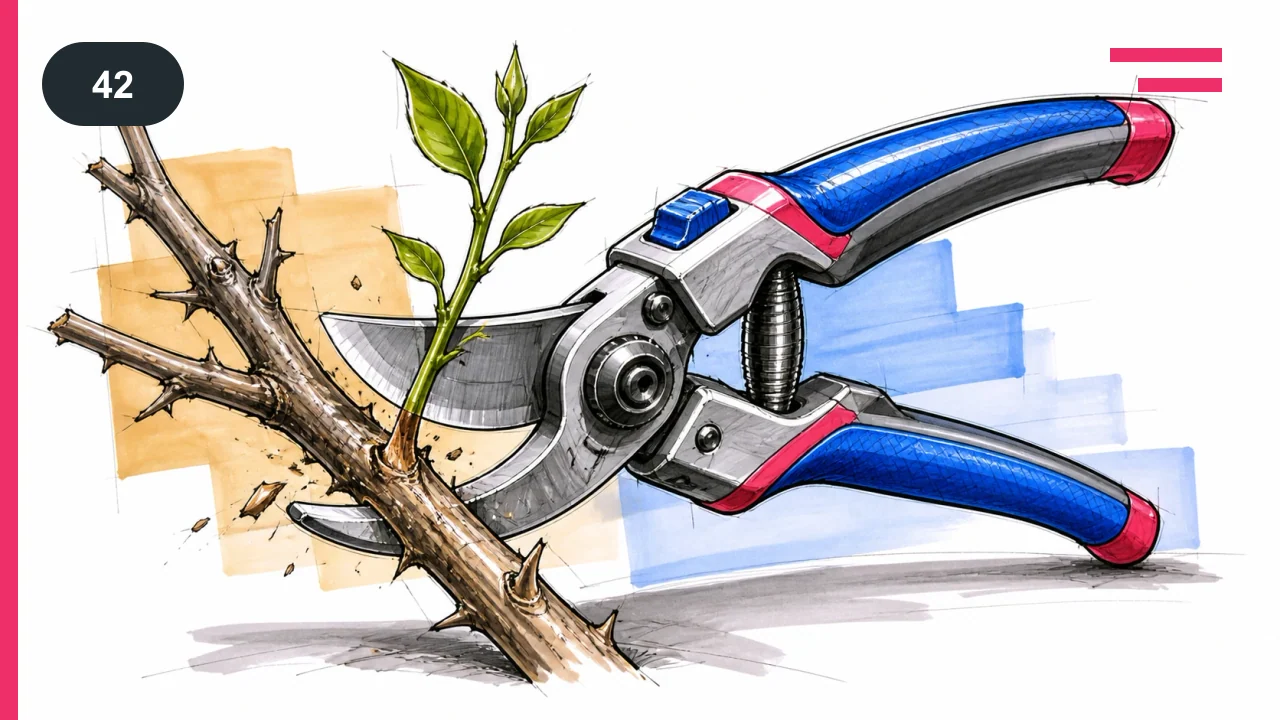
EP. 42

2024: Cut negative people out

Returning for 2024, Dan and Tom take stock of new ventures, Welsh products and the people who influence the energy around them. The central question is not how to eliminate anyone difficult, but how to stop giving persistent negativity a governing role in your life. They distinguish honest challenge from reflexive discouragement and consider what each new level of growth makes possible.

4 key ideasFull transcript
32:22
EP. 41

This is why your company will fail

Features are not a business. Dan and Tom examine why technically capable companies still fail when they cannot explain the outcome they create, reach the right people or build a repeatable relationship around the product. The episode is a reminder to look beyond making: distribution, positioning and customer understanding are part of the thing you are building.

4 key ideasFull transcript

38:02
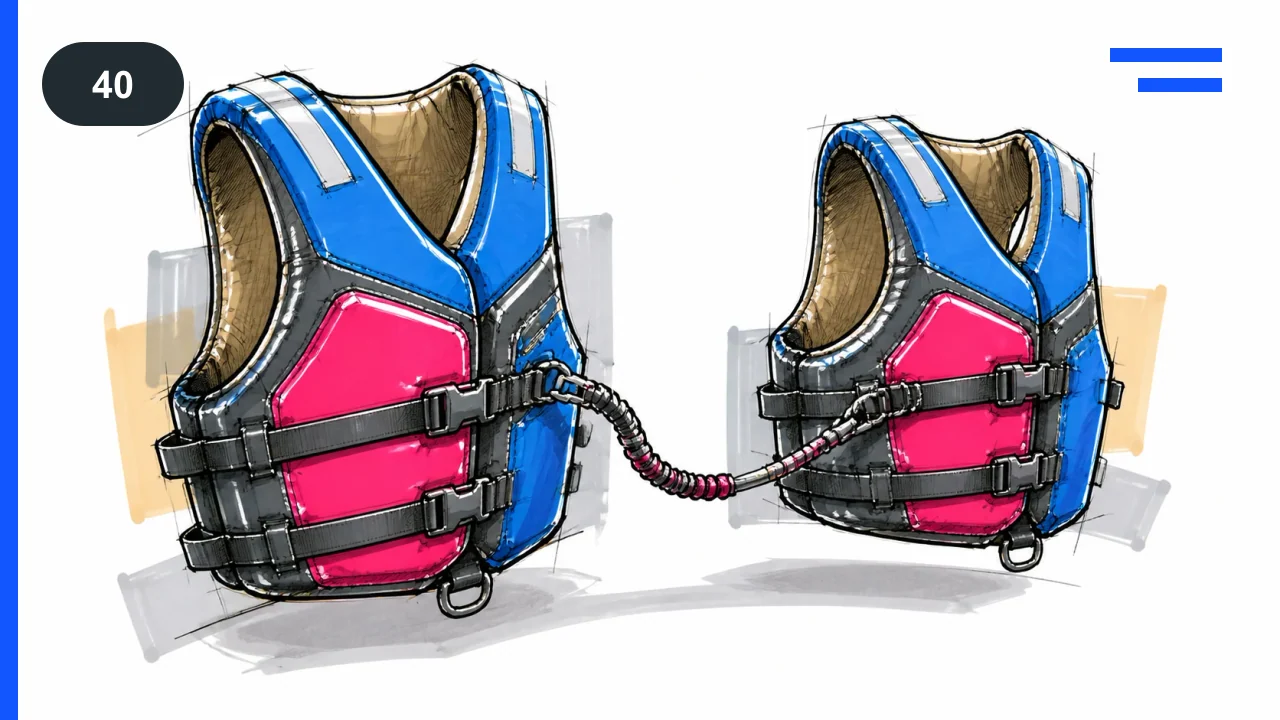
EP. 40

Can you guess what Dan’s trying to draw?

A drawing game gives Dan and Tom a playful way into visual communication, interpretation and the distance between an idea in your head and what another person can actually see. The episode shows why rough sketches are useful: they expose assumptions early, invite questions and let an idea improve before polish makes it expensive to change.

4 key ideasFull transcript
27:21
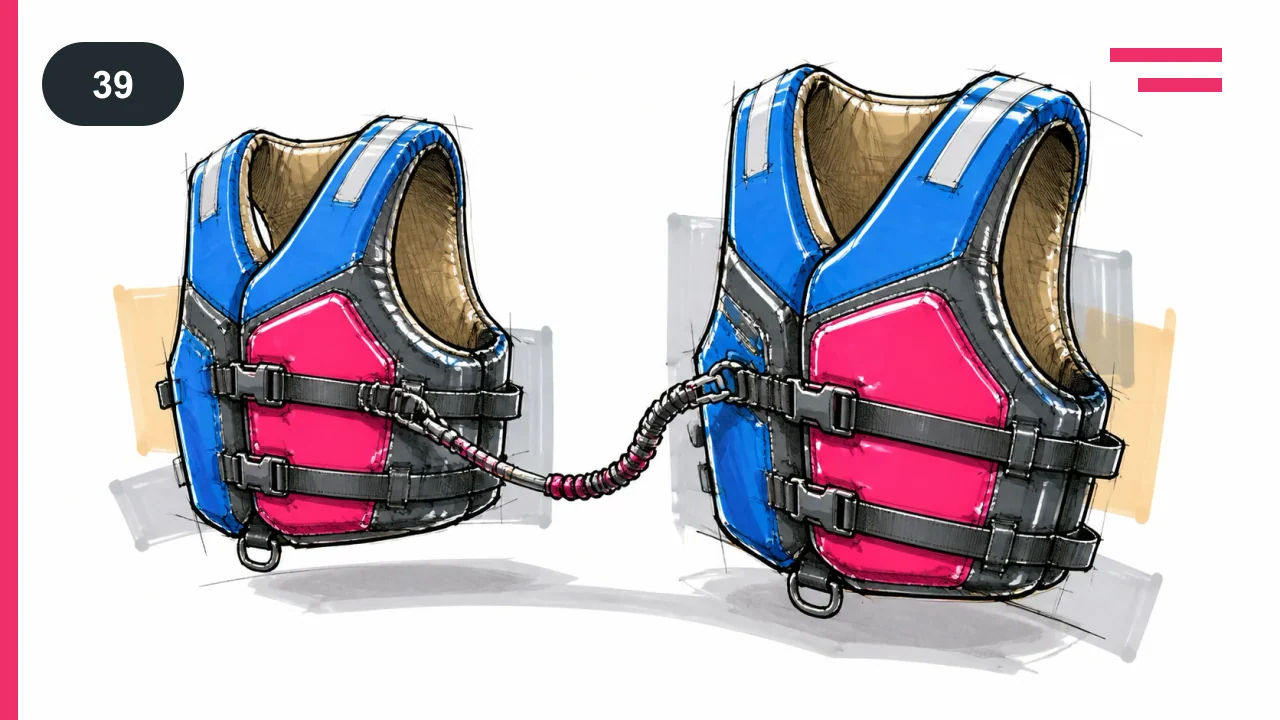
EP. 39

Parenting advice from non-parents

Dan and Tom offer parenting opinions with the important disclaimer that neither is a parent. That distance lets them examine reward, motivation, praise and the gap between a tidy principle and the complicated reality of raising a person. The useful lesson travels beyond parenting: incentives shape behaviour, but specific attention and consistent example shape identity.

4 key ideasFull transcript
35:01
EP. 38

Squash Conquest: My Health Update Journey

Dan shares a health update through the unlikely lens of squash, using the sport to make fitness measurable, competitive and enjoyable. He and Tom discuss what happens when a goal becomes attached to a real activity rather than an abstract instruction to ‘get healthy’. The conversation focuses on sustainable momentum, useful metrics and the value of noticing progress before the final target is reached.

4 key ideasFull transcript

35:50
EP. 37

Snooze Like Snorlax: Sleep, Dreams and AI

Sleep, vivid dreams and AI become one connected question: what can patterns tell us about ourselves? Dan and Tom compare the appeal of measuring rest with the risk of turning every night into a score. They explore whether AI can help identify themes and habits while keeping interpretation grounded in context rather than treating a dream—or a device—as an oracle.

4 key ideasFull transcript

35:12
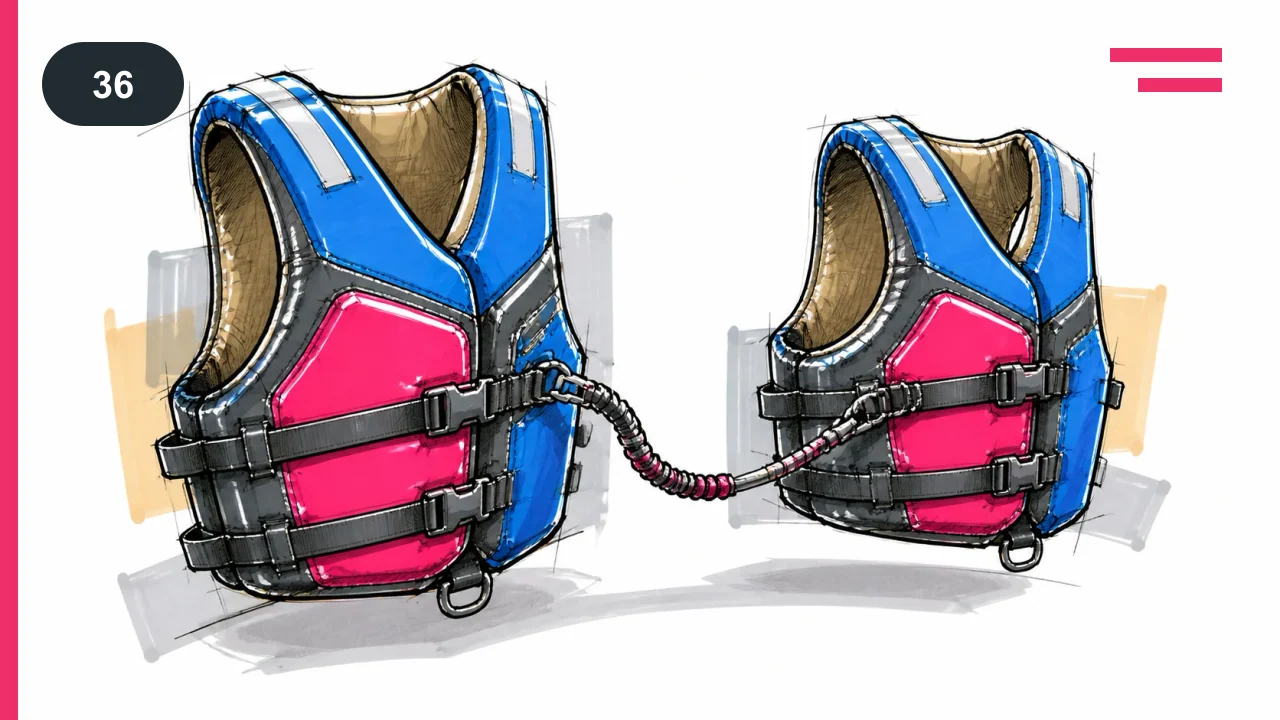
EP. 36

How your need for external encouragement is distracting you from internal fulfilment

External encouragement can help you begin, but needing it for every step makes your direction vulnerable to whoever is watching. Dan and Tom examine the difference between healthy support and outsourcing your sense of fulfilment. They argue for building internal evidence—values, effort and private wins—so that praise becomes welcome information rather than fuel you cannot move without.

4 key ideasFull transcript
38:17
EP. 35

The importance of reading T&C and healing from the past

Terms and conditions are the agreement most people accept without reading; old emotional patterns can work the same way. Dan and Tom use that comparison to explore consent, assumptions and the hidden rules carried forward from past experiences. Healing begins by noticing those rules, deciding which still protect you and rewriting the ones that now limit connection or choice.

4 key ideasFull transcript

30:37
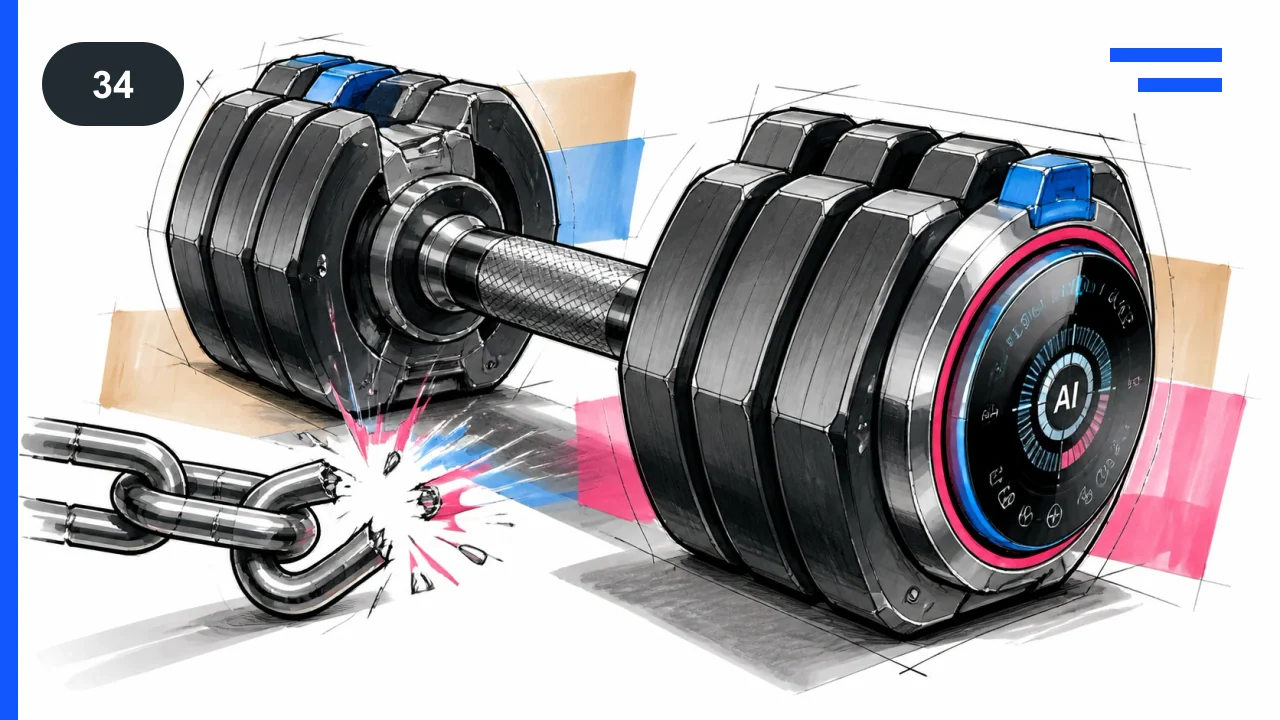
EP. 34

Revitalising Body and Mind: Dan’s Journey with AI and Fitness Transformation

Dan brings AI into a practical fitness reset, using generated plans, feedback and visual motivation to reconnect with his body. He and Tom ask where technology genuinely removes friction and where it risks creating another complicated system to maintain. The goal is not optimisation for its own sake, but a routine simple enough to survive low-energy days.

4 key ideasFull transcript
35:31
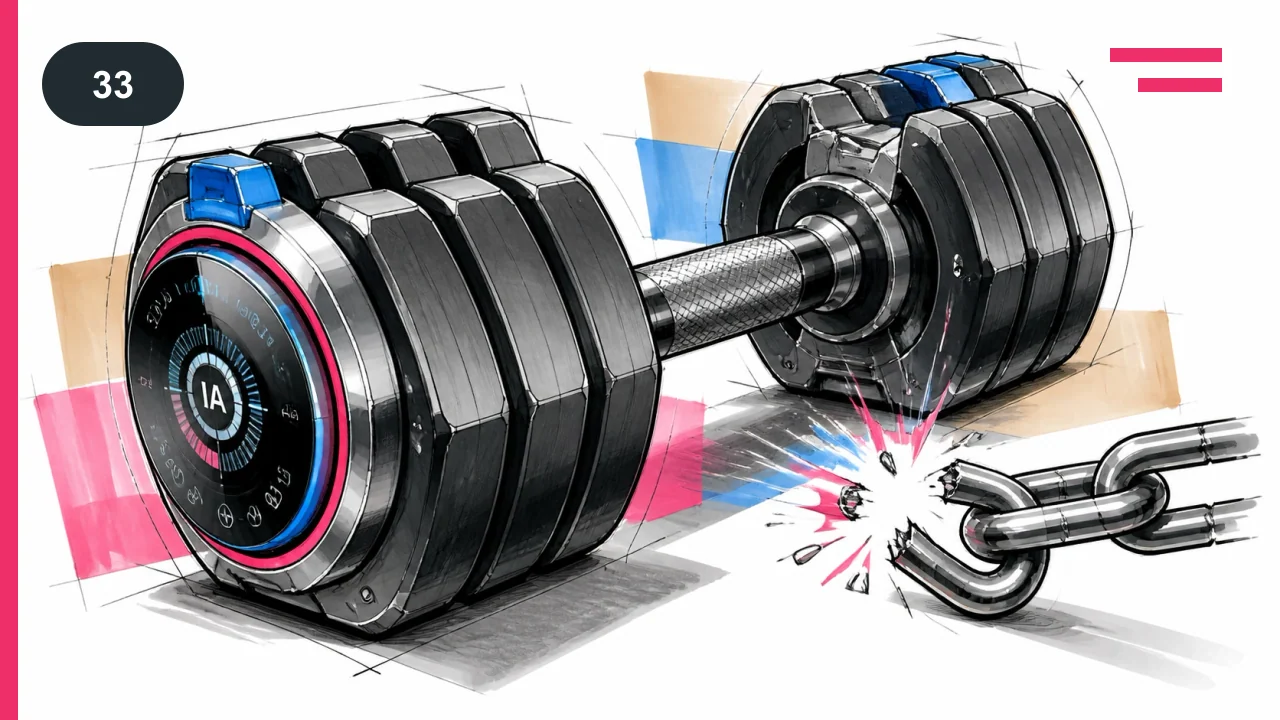
EP. 33

WWDC 23 Recap: Apple's Latest Innovations & Our Fitness Journey

Dan and Tom review Apple’s 2023 announcements, from watch updates to Vision Pro, and ask how much innovation comes from invention versus patient ecosystem design. They connect Apple’s product strategy to their own fitness journeys: progress often comes from steady iteration, deliberate constraints and a system that makes the next action easier.

4 key ideasFull transcript
37:30
EP. 32

Exploring AI, Mood Meter and Dreams: Unlocking the Secrets of Emotion Recognition

Dan and Tom connect mood meters, dreams and emotion-recognition AI in a conversation about naming what is happening inside us. Better emotional vocabulary can create distance from a reaction; technology might help reveal patterns that are hard to notice in the moment. They remain cautious about reducing complex feelings to labels, scores or confident automated conclusions.

4 key ideasFull transcript

10:58
BONUS

Transforming Fury into Positive Energy & Caring

Anger carries energy; the question is where that energy goes next. Dan and Tom explore the difference between suppressing fury, acting it out and converting it into a protective or constructive response. They look at triggers, physical signals and caring action, treating anger as information that still requires responsibility.

4 key ideasFull transcript

41:36
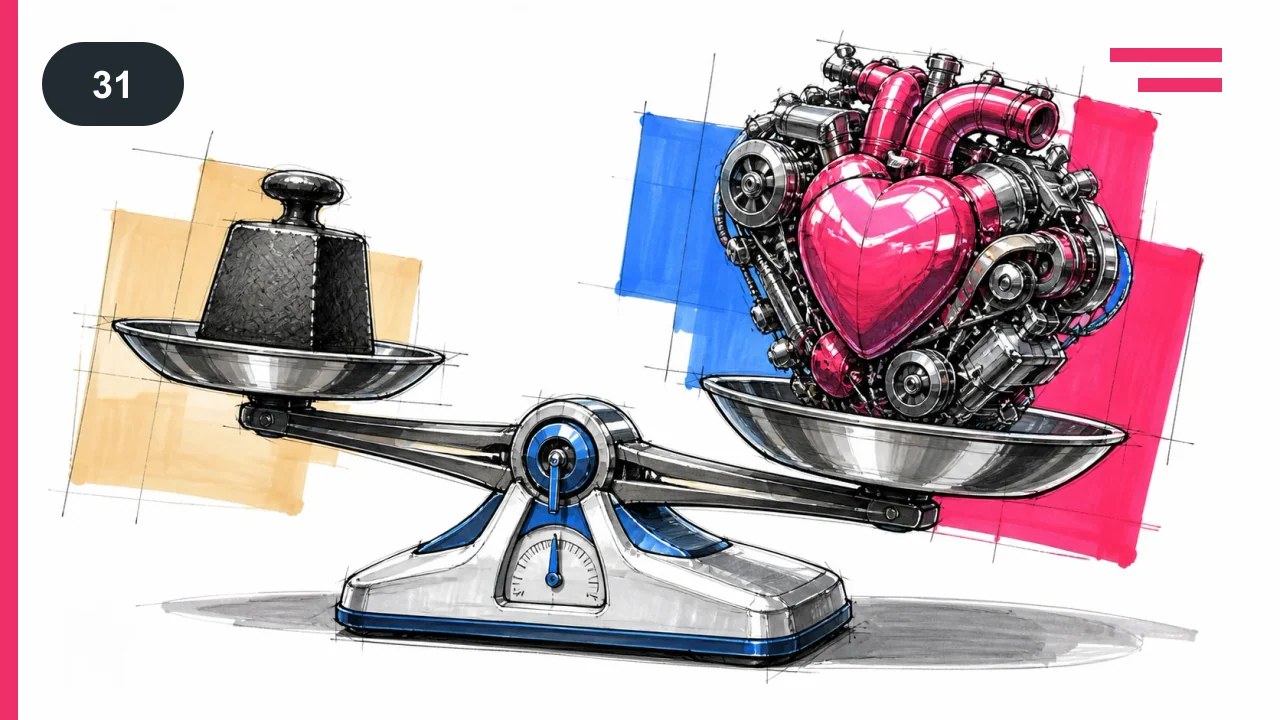
EP. 31

Unleashing Passion: Conquering Fear and Sharing the Journey

Passion and fear often arrive together when the work matters. Dan and Tom discuss what it takes to share an unfinished journey, speak about an idea before it is proven and keep moving while anxiety imagines every possible judgement. Their answer is not to eliminate fear, but to make the purpose of the work louder and the next action smaller.

4 key ideasFull transcript
36:04
EP. 30

Trauma’s Impact, Emotional Health & Mental Health Importance

A playful live demonstration gives way to a serious conversation about trauma, intrusive thoughts and the link between emotional and physical health. Dan and Tom consider why prevention and early support matter, especially before one generation’s unresolved pain becomes the next generation’s inheritance. They also imagine tools that help people notice and communicate feelings without pretending technology can replace care.

4 key ideasFull transcript

24:52
EP. 29

We are back

Dan and Tom return after a break and use the reset to ask what the podcast is for now. They reflect on changed routines, unfinished ideas and the awkwardness of starting again when momentum has disappeared. The episode is less a grand relaunch than a useful demonstration: return with what you have, notice what has changed and rebuild consistency one conversation at a time.

4 key ideasFull transcript

34:47
EP. 28

Embracing Personal Growth through Life's Transitions

Life changes in seasons, and strategies that fitted one season may become restrictive in the next. Dan and Tom talk about practising what they preach, the story behind Bank of Dave and how people evolve through periods of growth, disruption, harvest and rest. The aim is to recognise the season accurately enough to stop demanding the wrong kind of progress from yourself.

4 key ideasFull transcript
35:49
EP. 27

How to deal with your anger

Dan and Tom move from competitiveness into anger and rage, asking what happens between the first physical signal and the eventual outburst. They compare suppression, release and deliberate redirection. The episode treats anger as a state to understand and manage, with practical emphasis on space, language and finding the need beneath the heat.

4 key ideasFull transcript

30:27
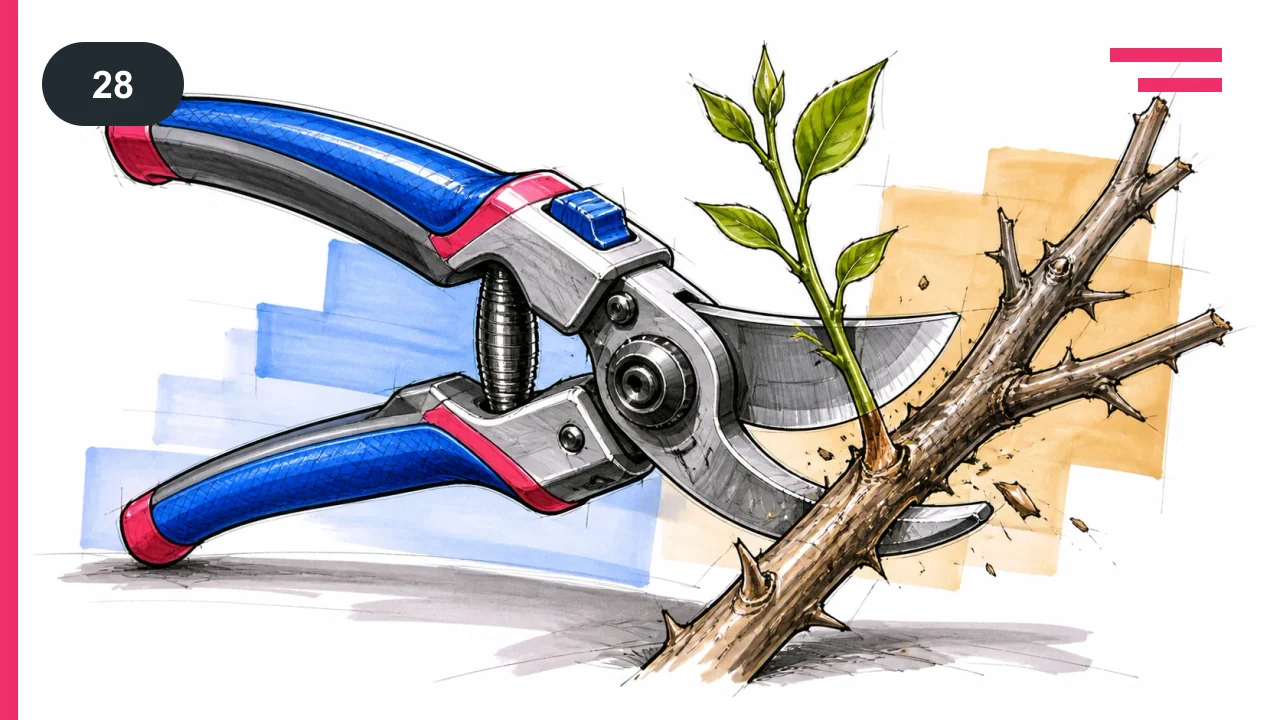
EP. 26

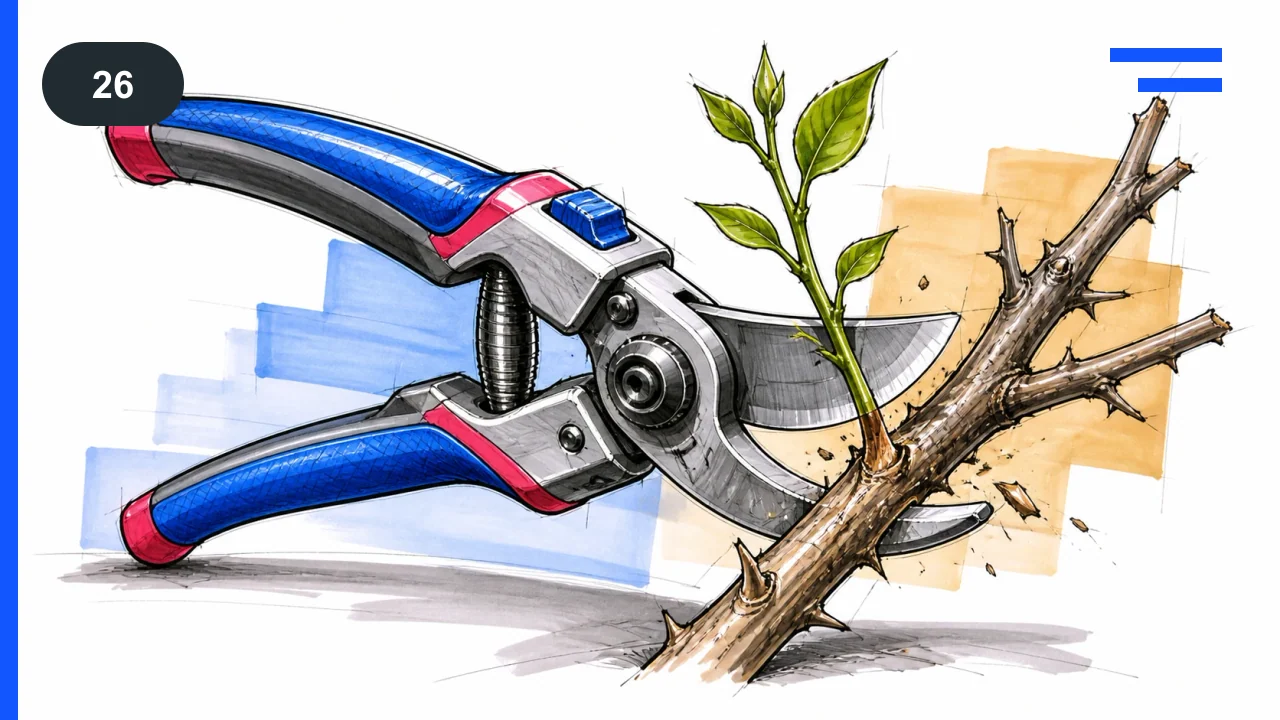
Why you need to prune people from your life to grow

Using a tree as the central metaphor, Dan and Tom explore why growth sometimes requires pruning relationships, habits and commitments that once belonged. Letting go creates space, but it also involves grief and judgement about what can recover. The conversation argues for thoughtful pruning rather than dramatic clearing: protect what is healthy, remove what repeatedly drains it and allow new growth time.

4 key ideasFull transcript
48:05
EP. 25

Dealing with disappointment

Disappointment is the collision between what happened and the future you had already pictured. Dan and Tom discuss the temptation to minimise it, rush past it or turn one setback into a judgement about your whole direction. They offer a slower response: name the loss, separate the event from your identity and decide what the new information changes.

4 key ideasFull transcript
36:20
EP. 24

Our marketing strategies

After twenty-four weeks of publishing, Dan and Tom review the marketing experiments behind the podcast, Welsh projects and their individual work. They look at thumbnails, recurring jokes, collaborations and the difference between activity and a strategy that can be measured. The useful question is not ‘are we marketing?’ but ‘what do we now understand about who returns, what they remember and why they share?’

4 key ideasFull transcript
56:15
EP. 23

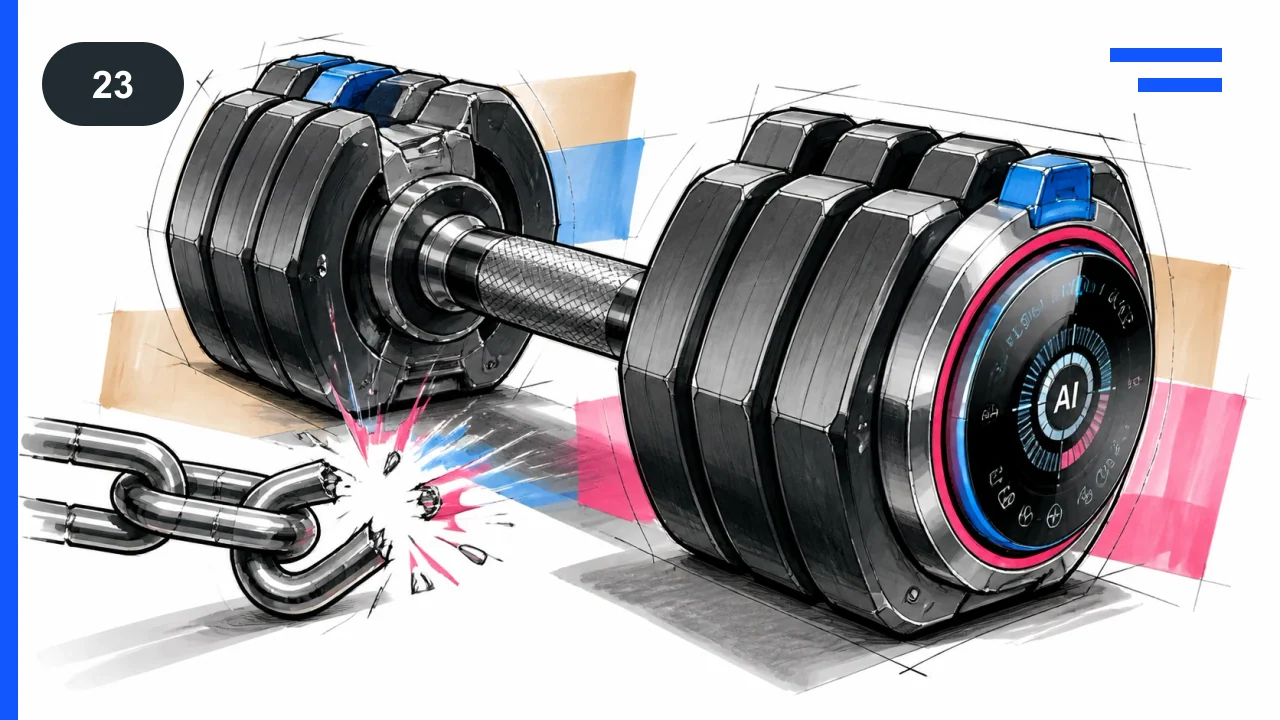
Mindset of an athlete

Athletic mindset is often reduced to intensity, but Dan and Tom look at the quieter disciplines beneath performance: repetition, recovery, coaching and returning after a poor result. They explore how those habits transfer into creative and business work without importing the unhealthy idea that every day should feel like competition.

4 key ideasFull transcript
25:55
EP. 22

Highlights 1-5

Dan and Tom revisit the first five episodes to see which ideas survived, which jokes became part of the show and what changed once publishing became real. The highlights reveal more than favourite moments: they show the early shape of the podcast’s purpose, the value of learning in public and the themes that keep returning.

4 key ideasFull transcript
40:59
EP. 21

Don't stand still

Standing still can feel safe while quietly becoming a decision of its own. Dan and Tom discuss motion, uncertainty and how to keep learning when the perfect route is unavailable. They make the case for small directional experiments: move far enough to gather information, then adjust rather than demanding a complete map before you begin.

4 key ideasFull transcript
48:02
EP. 20

Bilingual Dreams, Dedicated Thinking Time & New Jingle Reveal

A new podcast jingle leads into bilingual dreams, better sleep and the need to reserve time for thinking. Dan and Tom explore how ideas surface when the mind has space—and how technology can either protect that space or continually interrupt it. The episode treats reflection as real work that deserves a place in the calendar.

4 key ideasFull transcript
41:44
EP. 19

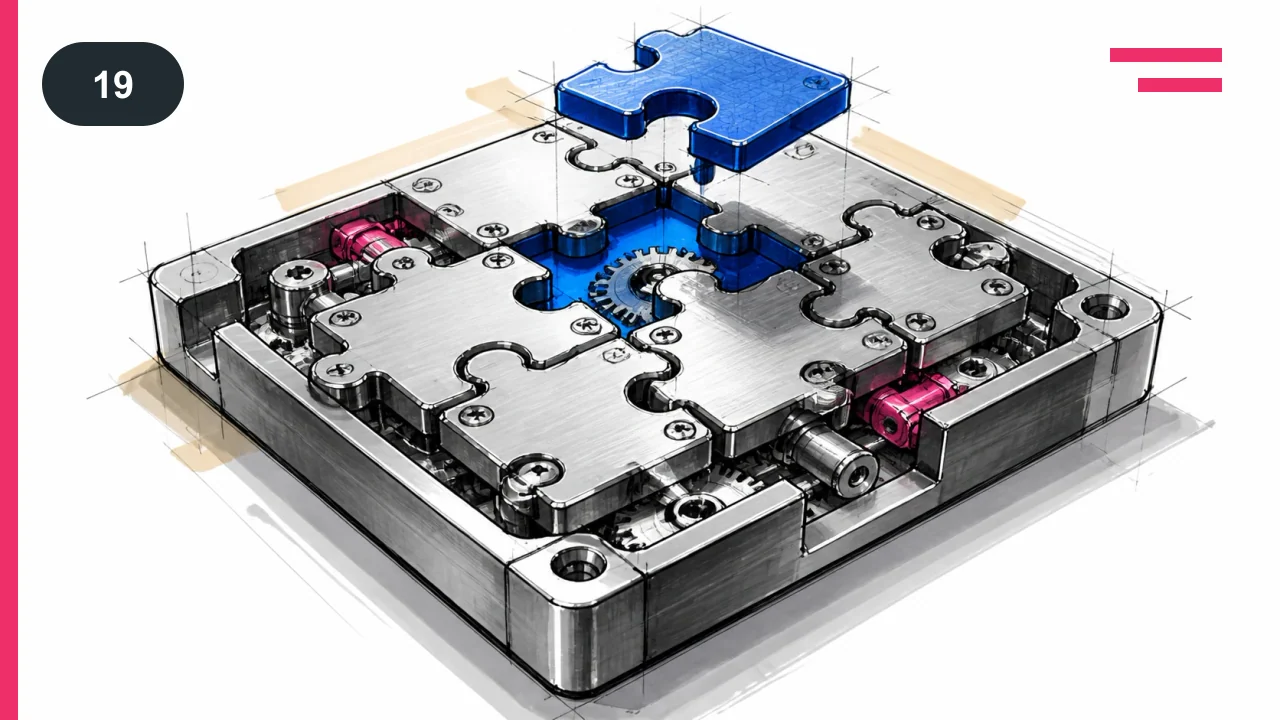
Stop steamrolling yourself

Steamrolling yourself means using your own ambition as a blunt instrument: dismissing tiredness, overriding doubt and treating every pause as weakness. Dan and Tom explore the difference between useful discipline and repeatedly ignoring the information your mind and body are giving you. They argue for a kinder form of momentum that still asks for action but changes the size, timing or method when necessary.

4 key ideasFull transcript
32:14
EP. 18

Make your passion outweigh your anxiety

Anxiety predicts danger; passion supplies a reason to move anyway. Dan and Tom discuss how to increase the weight of what matters so fear is no longer the only voice shaping a decision. They focus on preparation, supportive environments and small exposures that build evidence without requiring anxiety to disappear first.

4 key ideasFull transcript
31:46
EP. 17

Visualise Your Goals

Visualising a goal can create energy, but it can also become fantasy detached from the work required. Dan and Tom explore how to picture a future vividly enough to guide choices while remaining open to a better destination appearing along the way. The most useful vision connects an emotional reason, a visible reminder and a next action you can take today.

4 key ideasFull transcript
34:50
EP. 16

Are you settling?

Settling is not always obvious; it can look like gratitude, patience or a sensible compromise while a persistent part of you knows something needs attention. Dan and Tom examine money, work, relationships and the signals that distinguish contentment from quiet resignation. They suggest treating dissatisfaction as information to investigate rather than an instruction to blow everything up.

4 key ideasFull transcript
47:32
EP. 15

Developing Welsh content

Dan and Tom look at the shortage—and possibility—of Welsh-language digital content. They discuss confidence, bilingual households, creator incentives and what Welcome to Wrexham gets right about weaving language, place and history into an accessible story. The opportunity is not simply translating English content, but creating work that belongs to Welsh life and gives more people a reason to use the language.

4 key ideasFull transcript
37:11
EP. 14

How AI can help you out in life

Dan and Tom test where AI is already useful in ordinary life: searching across complex material, drafting, automating repetitive work and helping people think through unfamiliar questions. They are most interested in what happens after automation. If tools remove functional busywork, the freed attention should return to relationships, judgement and the parts of creative work that benefit from being human.

4 key ideasFull transcript
43:25
EP. 13

How To Belong

Belonging is more than being present in a group; it is the feeling that your real experience can enter the room. Dan and Tom compare how people respond to bad news, how shared stories create connection and how clothing, space and behaviour can signal either openness or withdrawal. The episode asks how to create belonging without forcing everyone to communicate in the same way.

4 key ideasFull transcript
31:49
EP. 12

Hot-Takes & World Cup Commentary

World Cup commentary, Welsh content and audience feedback become a loose collection of hot takes about media. Dan and Tom debate whether organisations should build new platforms or support creators where attention already exists. They also reflect on vulnerability and the value of leaving enough rough edges for a conversation to feel human.

4 key ideasFull transcript
30:55
EP. 11

How to Design a Website - The Creative Process

Tom walks through the creative process of designing a website, from understanding the purpose and collecting references to sketching, testing and stepping away when the work becomes visually numb. The episode treats design as a sequence of decisions rather than decoration, with memorability and clarity as practical tests for every idea.

4 key ideasFull transcript
33:09
EP. 10

The Fundamental Principle For Success

The fundamental principle is deceptively simple: find the people for whom the thing is genuinely useful. Dan and Tom discuss rejection, external validation and the mistake of treating a percentage of disinterest as proof that nobody wants what you made. Success becomes less mysterious when the offer, audience and route between them are made specific.

4 key ideasFull transcript
38:06
EP. 09

Build your own table

‘Build your own table’ is Dan and Tom’s answer to waiting for an invitation. They discuss leadership, community, public speaking and the invisible work required to create the room you wish already existed. Building the table means accepting responsibility for the structure, then making it easier for other people to take a seat and contribute.

4 key ideasFull transcript
33:27
EP. 08

Building A Legacy With No Reward: Welsh Football Legends

The proposed shift from Wales to Cymru opens a conversation about language, football and people who build a legacy without receiving the eventual reward. Dan and Tom consider the players, supporters and cultural workers who create conditions that a later generation inherits. Legacy, in this telling, is work whose value may only become visible after the person doing it has left the pitch.

4 key ideasFull transcript
15:38
EP. 07

Challenge your beliefs

Recording face to face, Dan and Tom examine beliefs inherited through religion, family and personality. They revisit familiar teachings such as ‘turn the other cheek’ and ask whether an early interpretation produced compassion or simply trained someone to tolerate harm. Challenging a belief does not require abandoning every value around it; it means testing the lens through which the value has been applied.

4 key ideasFull transcript
42:20
EP. 06

Don’t Be Afraid to Be Seen Trying – Podcast Setup Secrets

Dan and Tom start before they are ready: limited preparation, basic equipment and no guarantee that the project will become polished. That becomes the subject of the episode itself. They discuss the fear of being observed at the beginning, why consistency creates quality and how unfinished attempts generate stories, skills and opportunities that private perfectionism cannot.

4 key ideasFull transcript
45:40
EP. 05

Fight Stories

Dan and Tom exchange stories about fights that nearly happened, moments when they stepped in and the strange internal script that runs before confrontation. Beyond the comedy, they examine awareness, courage and the difference between protecting someone vulnerable and escalating a situation to defend pride.

4 key ideasFull transcript
27:09
EP. 04

When 'lifestyle design' doesn't go to plan. Our Monzo feature request

Losing a Monzo card in Bali exposes the gap between a life designed for freedom and the mundane systems that freedom still depends on. Dan and Tom turn the mishap into a product critique, imagining better card tracking and replacement inside a modern banking experience. The episode asks a grounded lifestyle-design question: what happens when the plan meets midnight, travel and a missing piece of plastic?

4 key ideasFull transcript
35:10
EP. 03

Stop disqualifying yourself

Dan and Tom explore the ways people disqualify themselves before a real decision has been made: not enough experience, money, stability or permission from the people around them. Through career moves, team dynamics and creative ideas, they argue that another person’s discomfort with your growth is not reliable evidence about your ability to grow.

4 key ideasFull transcript
31:52
EP. 02

Dyslexia & ADHD Hacks: Tools to Boost Productivity

Dan and Tom share practical ways technology helps them work with dyslexia and ADHD rather than constantly fighting their own brains. They cover dictation, reminders, task categories, focus tools and the self-knowledge required to choose between them. The goal is not to optimise every trait away, but to reduce avoidable friction and leave more attention for strengths, relationships and meaningful work.

4 key ideasFull transcript
28:19
EP. 01

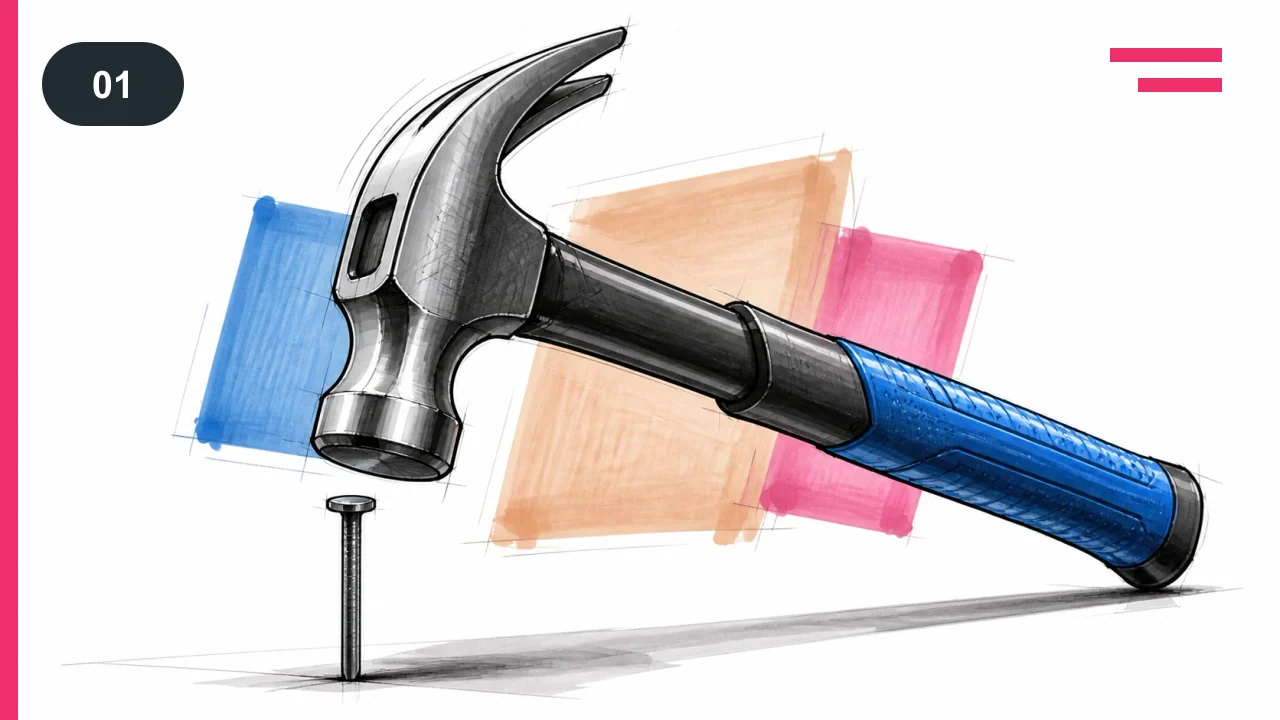
Finding Purpose: Are You a Hammer or a Doorstop?

A hammer can hold a door open, but that does not mean it is where the hammer is most useful. In the first episode, Dan and Tom use that image to explore purpose, motivation and the cost of living inside a role that only uses part of what you can do. Finding your nails is not one dramatic revelation; it is a process of noticing where your strengths create value and building more opportunities to use them.

4 key ideasFull transcript